LoomHer Empowerment Initiative

LoomHer Empowerment is Mary Michaels’s NYU capstone project examining how women-led textile production in Uganda can become commercially credible, financeable, quality-assured, and reliable enough to serve formal buyers. The project argues that the missing layer in many women-centered enterprise models is trust infrastructure: the operating systems, documentation, quality controls, and buyer-facing processes that make an enterprise legible to markets and funders. Grounded in development finance, women’s economic empowerment, and digital governance, LoomHer proposes a Phase I centrally managed workshop model supported by a browser-based quality control and traceability prototype.

An NYU capstone project by Mary Michaels, beginning with a Phase I launch model in Uganda.

A Buyer-Led, Asset-Financed, Digitally Verified Textile Enterprise for Women Entrepreneurs in Sub-Saharan Africa

What LoomHer Is

LoomHer Empowerment is a proposed Uganda-based textile enterprise designed to help women producers move from informal, low-visibility production into a more credible and financeable commercial model. Rather than starting with distributed home-based loom placement, the Phase I model centers on a managed workshop using shared large floor looms, production oversight, standardized workflow, and documented quality control.

Execution Assets Already Built

Execution Assets Already Built

  • LoomHer QC App: functional browser-based prototype for textile review and traceability

  • LoomHer Website: public-facing platform presenting the initiative and project logic

How the Model Works

A buyer or LoomHer design lead approves the reference design, colorway, dimensions, and tolerances. Production is scheduled centrally, materials are allocated in batches, and finished pieces move through inspection, photography, QC review, and manual verification. Approved items receive traceability records; rejected items move into rework or downgrade pathways.

Who the First Buyers Are

LoomHer is designed for design-led buyers willing to work with moderate volumes and repeatable quality, including boutique home and lifestyle brands, artisan wholesale platforms, and selected hospitality/design projects.

Initial Product Focus

Phase I is intentionally narrow: handwoven table runners, cushion-cover panels, and scarves or wraps.

Why This Model

The capstone’s research found that financing alone is not enough, serious buyers prioritize consistency over social-purpose branding, and early-stage distributed production creates coordination and quality risk. LoomHer’s workshop model is designed to solve those problems first.

LoomHer QC App

The LoomHer QC App is a browser-based prototype developed as part of the LoomHer capstone project. It compares a reference textile design with a finished woven piece to support color and design review, create a digital inspection record, and strengthen traceability.

What the App Does

Supports structured visual comparison
Flags likely color or design mismatches
Creates a more consistent QC workflow
Generates a traceable digital record for reviewed items

What the App Does Not Do

It does not certify fiber content, durability, labor conditions, or overall product acceptability on its own. It is best understood as a trust-supporting verification aid used alongside human review, not as a substitute for final quality assurance.

Why This Tool Is Valuable

The QC App matters because it strengthens the “trust infrastructure” that informal producers often lack. It supports more consistent quality review, creates documentation that buyers and funders can understand, and shows how digital tools can reinforce accountability in emerging-market supply chains.

Why This Project Makes a Difference

Women entrepreneurs in Uganda are economically active but often remain excluded from formal buyers, formal finance, and the documentation systems required for growth. LoomHer addresses that gap by combining shared production assets, workflow discipline, structured market access, and digital quality records to make women-led production more legible to buyers and funders.

About the Founder

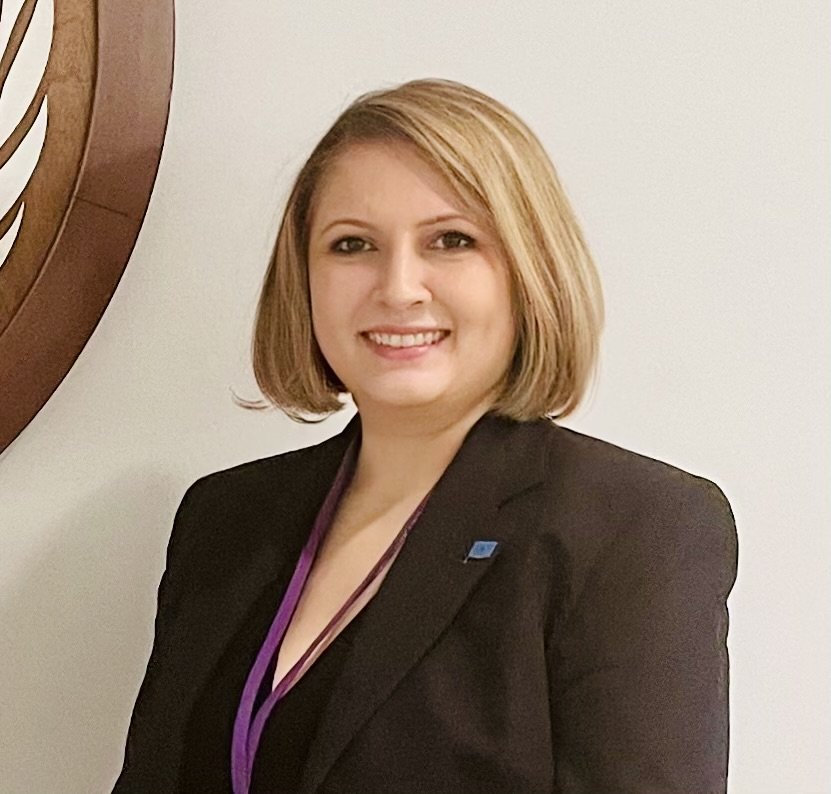
Mary Michaels is an NYU graduate student in Global Security, Conflict, and Cyber Crime, recipient of the inaugural Doria Shafik Global Gender Justice Award, and presenter at Geneva Cyber Week 2026. LoomHer is her applied capstone project at the intersection of women’s economic empowerment, digital governance, and supply-chain accountability.

For collaboration, speaking, research, or project inquiries, visit the Contact page.